The Forgetfulness of Anxiety + How Remembering Sets Us Free
Not too long ago, I came across an old, cloth-covered journal I made for my Mom when I was 12. A scattering of gold stars spread across the dark blue cover. I opened it and found the first pages filled with affectionate messages and Clip Art images. I felt my lips part in surprise as I flipped to one of the pages. Next to an image of Jesus on the cross was a message written in thick, blue marker. “Look to God 4 help, love and courage.” I was stunned. I had written that?
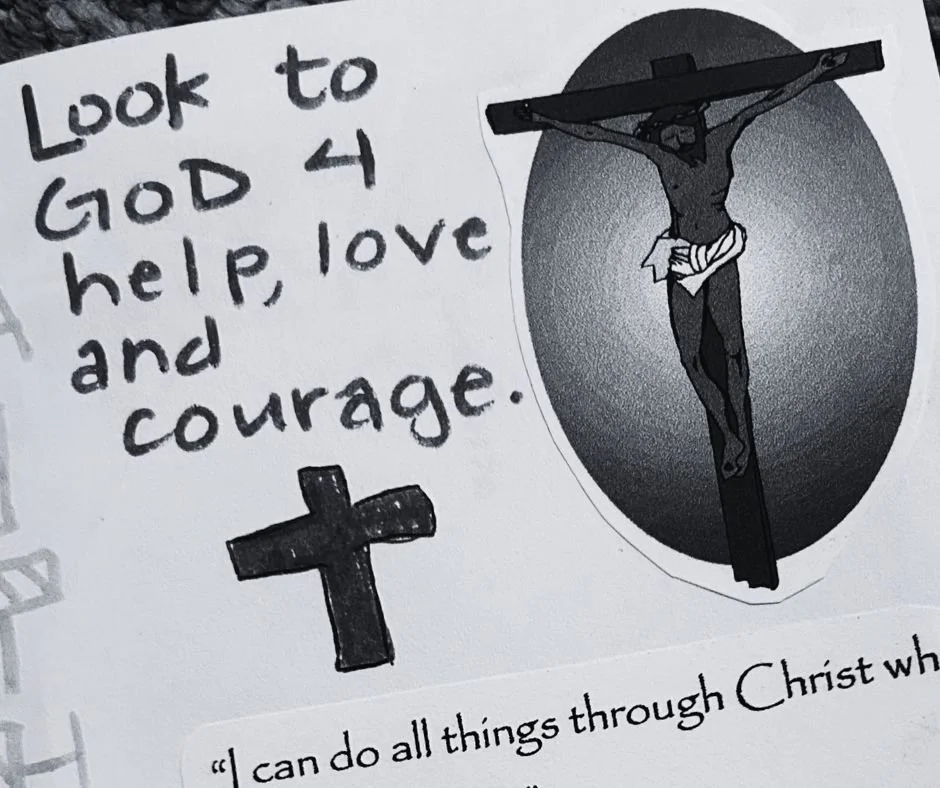
I’d become a Christian at the age of 30. Before then, I’d hardly thought about God since 5th grade. Even so, I didn’t remember thinking of Him like that. The narrative I’d long held of my childhood was filled with trauma, anxiety, and aloneness. But this page, clear as day, was full of hope. A good, relational God, present in my mind and story. I’d forgotten that part.
Soon after making the journal for my Mom, I forgot about God. For years, my mind was absent of comforting thoughts about Him and full of anxious what if’s. I looked to everything but God for help, love, and courage. I forgot the simple truth I’d once embraced. I forgot Him, and myself.
But God didn’t forget. He remembered me, and remembered my child-like declaration of faith. He worked (and continues working), in so many different ways, to help me know and remember too, including through the unexpected discovery of that journal.
As it turns out, the more I remember (most often, by being graciously reminded of) the truth about God and how He loves me, even at my least deserving, the less anxious I become. My story bears witness to this, and Scripture and science say the same. Anxiety is a sort of forgetfulness, a sign of forgetting. When our hearts and minds are blind to the reality of God’s care, power, and protection for us, we are bound by fear. But remembering the One who remembers us…well, it sets us free.
Forgetfulness and the Anxious Brain
One of the key parts of the brain associated with anxiety is the hippocampus. This is where we hold emotional memories. It’s where, theoretically, each lived moment of safety, care, and love, is stored. Remembered. This part of the brain is physically smaller in people who suffer with anxiety. This can be for lots of reasons - genetic inheritance, less tangibly safe moments, and/or engaging in behaviors that fuel or sustain anxiety and shrink the hippocampus.
Meanwhile, the part of the brain that detects and remembers danger, called the amygdala, is larger than average. In other words, the anxious brain detects threats all around, while ‘forgetting’ the truth of safety, care, and love.
The anxious brain needs to ‘detect’ and then remember the truth of God’s love. The hippocampus may be small, but it does not have to remain that way. The brain can be renewed. We heal by knowing and remembering the truth. The truth of Him who is greater than everything we fear.
A Call To Remember
Forgetting and remembering is woven throughout Scripture. The tendency of fallen humanity to forget God - to put Him out of our minds - is painfully evident, and the consequences of it are immense. Our bodies are plagued by chronic stress, our minds filled with distorted thoughts. We are disordered and desperate, and seek everything but God for relief. We unwittingly add to our guilt and sense of impending doom as we walk in this forgetfulness - of God and of our own failures - and refuse to learn.
God lovingly warns us of the pain and destruction that forgetting brings.
He also reminds us again and again of a greater, glorious truth. The truth of His unfailing love, His persistent remembering of us - even when we have forgotten. No greater example of this exists than His Son, Jesus, who came to clear our entire, forgetful debt by dying on the cross. Three days later, He defeated our most daunting enemy, death. Jesus’ invitation to the whole world is to remember the truth of our forgetfulness and failure, and the greater truth of God - His perfect love that has given everything and can overcome anything. Jesus is clear that this, in fact, is the only way to live at all. Freedom is found in remembering and remaining with the One who has remembered us.
How To Remember
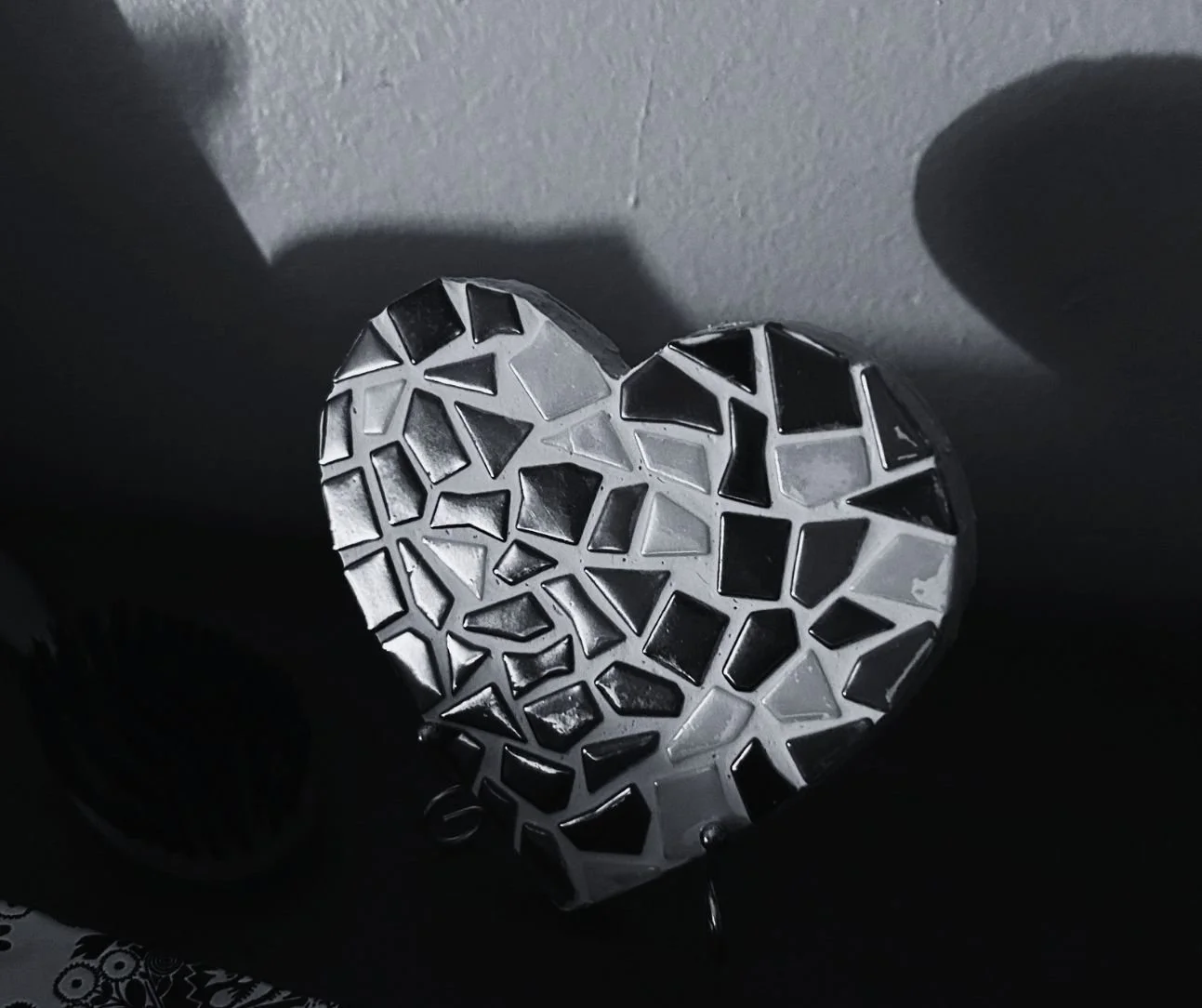
Since we don’t naturally remember in our fallen state, we have to become people who remember. The hippocampus literally grows as we look for, detect, cling to, and call to mind the evidence of God’s love, protection, and provision in our lives - the greatest of which is Jesus. As we do this, we begin to see more safety than threat, more good than evil, more grace than brokenness. We don’t downplay or ignore the evils of this world, but they are not the biggest thing. He is.
Remembering is a mental act, but it is more than that. As embodied people, it’s helpful to have tangible, physical reminders to help us remember. Jesus Himself is a physical reminder of the Father’s love, and He has given us other tangible reminders like His Church (the Body of believers) and the Lord’s supper.
Here are a few ways to remember, so you can quiet anxiety and feel God’s faithfulness in your story:
Create a written daily gratitude list (the more specific, the better)
Keep a written record of answered prayers and/or ways God has personally cared for and provided for you
Choose or create a tangible, symbolic object to represent and remind you of specific ways or times God has loved you and keep them close by
Regularly participate in the sacraments such as communion, confession, and close fellowship with other believers
Our anxious, forgetful hearts and minds need help to remember. I do anyway. Somewhere along the way, I became blind to God in my story. I forgot Him, forgot Jesus, and forgot that He was my source of help, love, and courage. Thankfully, He reminded me and keeps reminding me all the time.
Maybe this is your reminder.
